Workouts · 7 min read
Bicep Workout for Beginners: Bigger Arms in 12 Weeks
A bicep workout for beginners: four curls, the sets, reps and weights to start with, and a simple 12-week plan that adds real size to your arms.
Published October 21, 2026
A good bicep workout for beginners is shorter than you think. Three curl variations, twice a week, done with a weight you can actually control, will grow your arms faster than the 25-set arm day you saw on someone's story.
Most beginners either curl too heavy, swinging the bar with their hips and lower back, or they curl every single day and wonder why their arms feel tired but look the same. Biceps are a small muscle. They respond to clean reps, a full stretch at the bottom and enough rest, and a beginner who gets those three right can usually add 1 to 2 cm to their upper arm in the first 3 to 4 months.
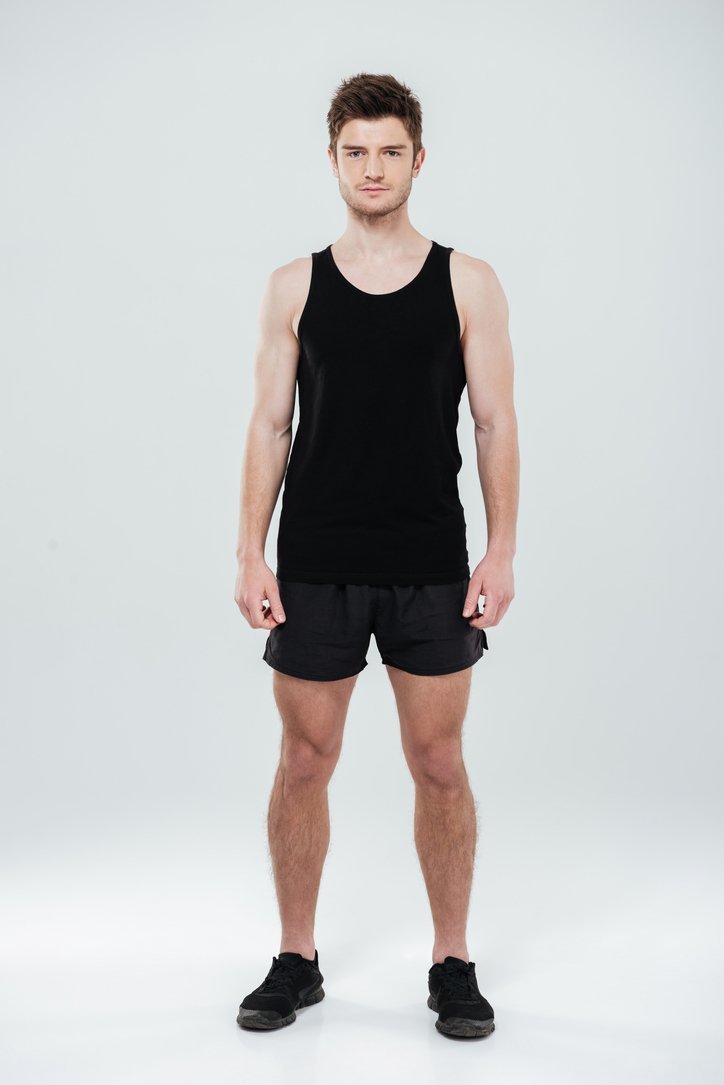 Before
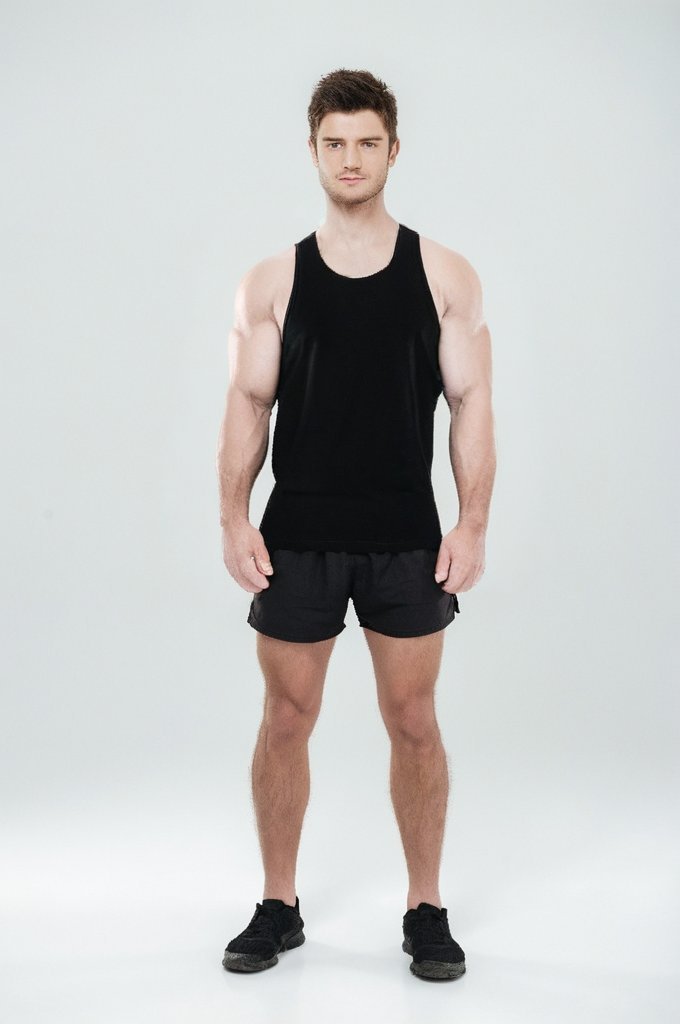 After
The work, step by step
- Pick a weight you can curl without swinging. Here's the test: stand with your back against a wall and curl. If your shoulders or hips come off the wall, the weight is too heavy. For most beginners that means 6 to 10 kg dumbbells, or an empty 20 kg barbell (or an EZ bar with a small plate on each side). It will feel light for the first set and hard by the third. Lower every rep over about 2 seconds and let your arm go nearly straight at the bottom. The lowering half and the stretch at the bottom do a lot of the growing, and they're exactly what disappears when you swing the weight up and let it drop.
- Incline dumbbell curl: 3 sets of 8 to 12. Set a bench to about 45 to 60 degrees, sit back and let your arms hang straight down behind your body. From there, curl both dumbbells up without letting your elbows drift forward. Because your arms start behind you, the biceps are stretched at the bottom of every rep, and that stretched position is where research and gym experience both point for growth. It's humbling: you'll use 2 to 4 kg less than on a standing curl. Start around 5 to 8 kg per hand. When you hit 12 clean reps on all three sets, move up to the next dumbbell.
- EZ bar or barbell curl: 3 sets of 6 to 10. This is your heavier lift. An EZ bar is easier on the wrists than a straight bar, so use it if your gym has one. Hands about shoulder width, elbows pinned to your sides, curl up until your forearms are close to vertical, then lower slowly. Don't curl all the way up to your chin, because the elbows come forward and the front delts take over. A little body movement on the last rep is fine. If every rep needs a hip thrust, drop 5 kg. Most beginners start somewhere between 15 and 25 kg total on the bar.
- Hammer curl: 3 sets of 10 to 12. Hold the dumbbells with your palms facing each other, like you're holding two hammers, and curl them up. This grip shifts work to the brachialis (a muscle under the biceps that pushes it up and makes the arm look thicker from the side) and the brachioradialis on top of the forearm. That's why lifters with big-looking arms almost always do some hammer work. You'll be a bit stronger here than on regular curls, so 8 to 12 kg per hand is a normal starting range. Alternate arms if you find yourself rocking.
- Cable curl or preacher curl as an optional finisher. If you have energy left, finish with 2 sets of 12 to 15 on a cable curl or a preacher curl machine. Cables keep tension on the biceps at the bottom of the rep, where dumbbells go slack. A preacher pad locks your elbows in place so you can't cheat at all. Go light and focus on squeezing at the top and lowering slowly. This step is optional for the first month. If you're new to lifting, three exercises done well already beats five done sloppily, and your elbows will thank you for building up slowly.
- Run it twice a week for 12 weeks. Day A: incline dumbbell curl 3x8-12, hammer curl 3x10-12. Day B: EZ bar curl 3x6-10, incline dumbbell curl 2x10-12, cable or preacher curl 2x12-15. Put two or three days between them, for example Monday and Thursday, and tack them onto the end of a back or pull session if you already have one. That's 10 to 12 direct biceps sets a week, on top of the indirect work from rows and pulldowns, which is plenty for a beginner. Add 2 or 3 triceps sets on each day too: the triceps make up about two thirds of your upper arm, and skipping them is the fastest way to have big biceps on a thin-looking arm. Eat around 1.6 g of protein per kg of bodyweight and, if you're slim, a small surplus of 200 to 300 calories a day. Arms don't grow much on a big deficit.
Common pitfalls
- Training biceps every day. They get worked on every pull day already, and they grow on the rest days, not during the pump.
- Swinging a heavy barbell with your hips. Your lower back gets tired and your biceps barely feel it.
- Cutting the bottom of the rep short. Half curls at the top look busy and skip the stretched position that drives growth.
- Ignoring the triceps. They're the bigger part of the arm, and a 12-week plan with zero triceps work leaves most of your arm size on the table.
Pro tip: Measure your upper arm cold, before training, at the widest point with the arm relaxed, once every 4 weeks. Pumped, flexed measurements after a workout can be 1 cm bigger and will make you think you're growing faster than you are.
How Muscle Editor fits in
If you want a target to train toward, run a front-facing photo through Muscle Editor's Arms editor at Fit. That's close to what 4 to 6 months of this plan can add, and seeing the fuller arm on your own body makes the slow weeks easier to stick with. Treat it as a goal picture, not a progress pic.
Frequently asked questions
How many times a week should a beginner train biceps?
Twice a week is the sweet spot. Each session hits the muscle hard enough to grow, and the 2 to 3 days in between give it time to recover. More than that rarely helps beginners and often leads to sore elbows.
How fast do biceps grow for beginners?
Most beginners add around 1 to 2 cm to their upper arm in the first 3 to 4 months with consistent training and enough protein. After the first year, growth slows down to a few millimetres a year for most natural lifters.
Are dumbbells or a barbell better for biceps?
Use both. Dumbbells let you rotate your wrists and work each arm on its own, and a barbell or EZ bar lets you load more weight. A plan with one of each, plus hammer curls, covers everything a beginner needs.
Can I do this bicep workout at home?
With a pair of adjustable dumbbells, yes. Swap the incline curl for a seated curl leaning back on a chair, the EZ bar curl for a standing dumbbell curl, and the cable curl for a resistance band curl.
Filed under Workouts. Tagged: arms, biceps, workout, beginners.